

 UK
UK 



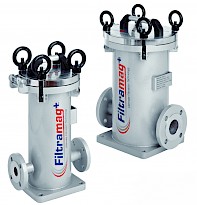
Filtramag+ Magnetic Filter
High-performance magnetic filter for harsh environments (flow rates up to 500 litres per minute)
Hello...
Would you like to visit the Eclipse Magnetics US site to view all relevant content for your location?
Carbide swarf can be recovered from machining waste using filtration, collection and recycling processes. The cost of tungsten carbide has been rapidly rising for some time now and it has reached a point where not all costs can be comfortably absorbed by businesses. They are now looking at ways to make tools last longer and how recycling carbide swarf can recoup some of those costs.
Carbide is a hard composite material which is made from tungsten carbide powder mixed with a metallic binder such as cobalt or nickel. It is often used in machining due to the properties of the material, such as the ability to maintain its structure in high temperatures and because it is very hard wearing. Tungsten carbide can be used to form tools or inserts for attaching to larger tools. It lasts longer than tools made from steel making it a popular choice for anyone machining parts. The strong and hardwearing properties of carbide allow for accurate cuts, making it ideal for high precision industries.
Tungsten carbide recovery can be particularly relevant to manufacturers using carbide tooling for CNC machining, precision engineering, aerospace, automotive and medical applications. These operations can generate carbide particles that become mixed with machining coolant, oil or other waste streams.
The price of carbide has increased dramatically over the last couple of years. The main causes of the price increase are China’s strict export restrictions, decreased mining output, trade tariffs between the US and China and high demand across the EV and defence industries.
China has dominated the mining of carbide for many decades, selling it at low prices to make it difficult for other countries to compete.
Carbide swarf is generated when tungsten carbide tools become worn or damaged during production processes such as milling, drilling and CNC machining. Small particles break off and enter the metal working fluid, coolant or oil sump. This is known as carbide sludge or swarf.
As prices soar, there becomes a greater need to recycle as much clean carbide as possible. This is a great strategy for recovering costs. Carbide swarf is valuable, particularly when it is dry and not mixed with coolant and other waste materials. Save money on hazardous waste by selling your scrap carbide and recycling sludge through specialist companies. If you use paper filters these can also be sold as soft scrap.
For many businesses, tungsten carbide recycling is an important element of their waste management and sustainability strategy. Incorporating carbide recycling into an overall scrap management programme can help reduce reliance on landfill, improve cost efficiency and support environmental reporting and sustainability goals.
Carbide swarf is the dry chips and particles that are produced during the machining process, if they become mixed in with the machine coolant, oil or metal working fluid this is known as sludge and it can contain other metal particles. Tools such as magnetic swarf wands and magnetic filters can be used to collect the carbide particles so they can be recycled. Tungsten carbide has a low magnetic permeability, meaning it can be captured by strong magnetic filters, but it is best practice to use one with a mesh guard to make sure you capture as much as possible.
1. Machining generates carbide particles
Tungsten carbide particles are produced as tools wear during machining.
2. Particles enter the coolant or oil
Fine carbide particles can become suspended in the metalworking fluid, creating carbide sludge.
3. Magnetic filtration captures the particles
A high-intensity magnetic filter can collect the carbide particles from the fluid.
4. The captured material is concentrated
Rather than allowing carbide to remain diluted throughout the coolant or become trapped in disposable filter media, filtration concentrates it into a recoverable waste stream.
5. The recovered material can be sent for recycling
Specialist recyclers can then process the recovered material.
Eclipse Magnetics’ Filtramag+ is suited to filtering Tungsten carbide due to its high-intensity patented Neodymium magnetic circuits and optional mesh strainer.
It’s best practice to separate tungsten carbide from other waste materials via chemical and metallurgical processes. Drying or roasting the swarf helps separate the carbide particles from the cutting fluid. Once purified the swarf can be converted into Ammonium Paratungstate (APT), a high-purity tungsten chemical material produced during the process of recovered tungsten-bearing material, which is traded worldwide. Eventually the recovered carbide can be formed into tools.
As well as the monetary and environmental benefits of tungsten carbide swarf recovery and recycling, there are many additional benefits, such as:
See how magnetic filtration can reduce metalworking fluid waste in these case studies:
Tungsten carbide recycling can help manufacturers recover value from machining waste while reducing waste disposal and improving metalworking fluid management. By using high-intensity magnetic filtration to remove carbide particles from coolant and oil, manufacturers can create a cleaner, more recoverable waste stream while extending fluid and tool life, reducing disposable filter use and improving machining performance. Incorporating carbide recovery into a wider scrap-management strategy can therefore deliver measurable financial, operational and environmental benefits.
Can tungsten carbide be recycled?
Yes. Tungsten carbide recovered from machining waste can be processed and recycled.
Is carbide swarf worth recycling?
Yes. Clean, dry carbide swarf can have significant value, particularly when it is separated from coolant and other waste materials.
Can magnetic filters collect tungsten carbide?
Yes. Tungsten carbide has low magnetic permeability but can be captured using strong magnetic filters, particularly when combined with a mesh guard.
What is carbide sludge?
Carbide sludge is produced when carbide particles generated during machining become mixed with coolant, oil or metalworking fluid. It may also contain other metal particles.
What happens to recycled carbide?
Carbide can be separated and purified before being converted into APT, which is then used in the production of tungsten-containing products and eventually tools.
What is APT?
Ammonium Paratungstate (APT) is a chemical material used to produce tungsten carbide. It is also an important intermediate in the tungsten recycling process and can ultimately contribute to the production of new tungsten products and carbide tools.
How does carbide recovery reduce waste?
Recovering carbide can prevent valuable material from being lost in disposable filter media, general machining waste, coolant disposal and other waste streams.


