 UK
UK 



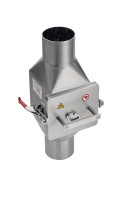
Pneumag Magnetic Separator
Removes ferrous and para-magnetic contamination effectively from pneumatic process lines
Hello...
Would you like to visit the Eclipse Magnetics US site to view all relevant content for your location?
Contamination can enter production processes in many ways. Here we look at five likely causes of metal contamination.
Metal contamination may already be present in raw ingredients at the point of harvest. It can originate from damaged farming equipment, including screws, wire and bolts, or from discarded metal items such as bottle tops and cans. Further contamination may occur during transport if nuts, bolts or other debris from trucks and rail wagons enter the raw materials. Unless removed at the source, these contaminants can travel with the ingredients into the food processing plant.
Over time metal debris enters the processing line through friction and corrosion causing plant degradation. Most processing equipment is made of metal, usually stainless steel, and inevitably it deteriorates from constant abrasion, causing tiny fragments to break away and enter the material being processed.
Food and other products can become contaminated when coming into contact with machinery or when concentration levels change. Using the correct grade of stainless steel is critical to preventing corrosion-related contamination in food processing environments. High-quality stainless steels have a protective chromium oxide layer on their surface, providing excellent resistance to corrosion. This protective barrier helps maintain equipment integrity when processing acidic products such as tomato-based ingredients, citrus powders, fruit concentrates, and vinegar. By selecting corrosion-resistant materials, manufacturers can reduce equipment degradation, minimise the risk of metal fragments entering the product stream, and help ensure both product quality and consumer safety.
Metal contamination can enter the product when industrial sieves, pin mills and slide gates and other process equipment are not working as they should. When equipment breaks or isn’t properly maintained, metal fragments can enter the product stream, creating significant food safety, product quality and regulatory risks. Fastenings such as nuts and bolts can become loose from vibrations during processing and end up inside the product.
Conveying systems can also contribute to metal contamination when roller bearings fail allowing bearing balls to enter the product mix.
Objects such as tools and screws can accidently end up in the processing stream after maintenance work has been completed. There’s also a risk of spare parts becoming loose during production. Missed inspections also allow minor defects to develop into component failures.
Operators might accidently drop items into the product or processing machinery. Items like wedding rings and pens may come loose and fall into the processing equipment. Tools such as spanners may be left behind after routine maintenance.
Preserving product purity is the responsibility of processing plants and their suppliers. Installing magnetic separators and metal detectors at various critical control points along the production line from material intake to finished product ensure contamination is removed before it causes damage to machinery and your company’s reputation. Magnetic separators use strong magnets to remove tramp metal, fines and paramagnetic particles from the material being processed. Metal detectors use an electromagnetic field to detect both ferrous and non-ferrous metals inside of products and then either alerts operatives or automatically rejects the product. Find out more about selecting the right magnetic separator – here.
Metal contamination can occur at any point in the production process, from raw material intake to machinery wear, packaging, maintenance and everyday operator activity. Without the right safeguards in place, even small metal fragments can lead to product recalls, equipment damage and reputational risk. By identifying the most likely contamination points and installing reliable magnetic separators and metal detectors at critical stages, manufacturers can improve product purity, protect their production line and give customers greater confidence in the safety and quality of their products.